Iran News has become a central subject in global headlines as tensions between Iran, the United States, and Israel have moved from political discord to open military confrontation. This escalating conflict involves airstrikes, missile exchanges, regional alliances, and shifting power balances across the Middle East. As this situation evolves, the world watches anxiously due to its implications for peace, security, and international diplomacy.
Historical Background and Root Causes
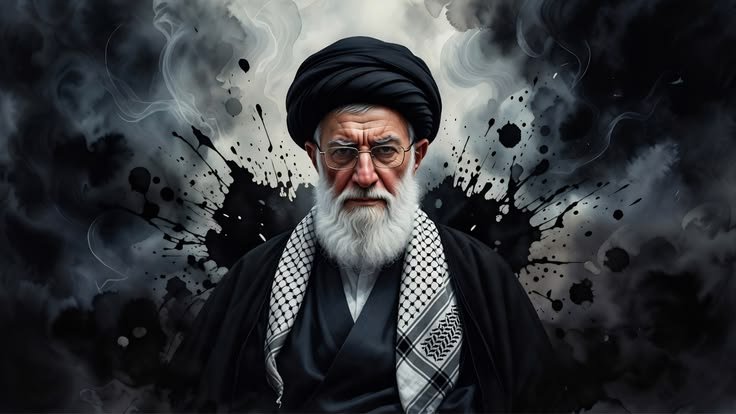
Origins of the Iran‑Israel Conflict
The modern Iran‑Israel conflict began after the Iranian Revolution of 1979, when Iran openly rejected Israel’s legitimacy and shifted its foreign policy toward supporting movements that opposed Israeli control. Over decades, Iran backed groups such as Hezbollah in Lebanon and Hamas in the Gaza Strip, creating a long–term rival dynamic that has at times involved indirect military engagements and proxy battles.
For many years, this rivalry was mostly indirect. However, tensions gradually escalated to direct engagements, especially since early 2024, when missile and drone exchanges began between the two states.
Iran News: How the United States Became Involved
The United States has historically been a strong ally of Israel and has positioned itself as a security guarantor in the Middle East. This alignment has brought the U.S. into repeated disputes with Iran over nuclear development, regional influence, and support for opposing parties in regional conflicts. As diplomatic tensions peaked, the U.S. shifted from sanctions and pressure to direct military engagement.
2026: A Turning Point in the Iran War
Start of the 2026 Conflict
In late February 2026, coordinated military operations were launched by the United States and Israel against diverse targets in Iran News. These airstrikes were carried out to weaken Iran’s military infrastructure and leadership, including targeting sites believed to support nuclear and missile capabilities.
This marked a major transition from seasonal tensions to open conflict, and the situation rapidly expanded with reciprocal actions. Iran responded with missile and drone strikes aimed at Israel and U.S. military assets across the region.
Major Military Developments
US and Israeli Air Raids
Since the beginning of the war, the U.S. and Israel have conducted thousands of coordinated airstrikes on Iranian cities and military sites. These strikes included sophisticated bombing campaigns to dismantle air defense systems and strategic industrial infrastructure.
Iran’s Retaliation
Iran launched a series of missile and drone attacks targeting Israeli territory and foreign military bases allied with the U.S. in the Middle East. These counterattacks have affected countries such as Bahrain, Qatar, Kuwait, and Iraq, reflecting the conflict’s rapid regional spread.
Regional Impact of the Expanding Conflict
Threats to Middle Eastern Stability
The expanding Iran News reflects that this conflict is no longer confined to the core belligerents. Neighboring states are increasingly caught up due to missile strikes, interceptions, and defensive responses. Tensions especially rose in Gulf states, where energy infrastructure and shipping lanes were under threat.
The strategic Strait of Hormuz, a vital channel for global oil transport, has experienced heightened security risks, disrupting trade and pushing up global energy prices.
Proxy Forces and Wider Hostilities
Various non‑state groups aligned with Iran, including groups in Iraq and Lebanon, have engaged in clashes against Israel or U.S. interests. These proxy engagements expand the battlefield and make the conflict more unpredictable.
Domestic and International Reactions
Public Opinion in the United States
As the conflict has continued, public sentiment in the U.S. has shifted significantly. A recent poll showed that about two‑thirds of Americans want a swift end to U.S. military involvement, even if goals are not fully achieved.
This reflects concerns about economic impacts, rising fuel costs, and the absence of a clear pathway to peace as the conflict continues.
Diplomatic Stances of Global Powers
While Western nations have generally supported Israel and advocated for de‑escalation, other global powers have expressed concern over the expanding war. Russia, for example, has been accused of providing intelligence that may assist Iran in targeting U.S. forces. Such involvement complicates diplomatic efforts and increases global anxiety.
Humanitarian and Civil Impacts
Civilian Casualties and Infrastructure Damage
The conflict has led to significant civilian casualties on multiple fronts. Missile barrages and airstrikes have caused loss of life and destruction of homes, hospitals, and schools in both Iran and Israel.
Furthermore, essential civilian infrastructure such as power plants and medical facilities has been disrupted, complicating relief efforts and daily life for ordinary people.
Evacuations and Displacement
Large population centers have seen evacuations and displacement due to security threats. Governments have organized emergency repatriations of foreign nationals and evacuated locals from high‑risk areas.
These humanitarian challenges have strained regional resources and overwhelmed aid organizations struggling to keep up with urgent needs.
Political and Strategic Dimensions
Shifts in Regional Alliances
Iran News states have had to reconsider their political and military strategies as the conflict deepens. Countries that once pursued balanced relations with both Iran and the West now face tough choices amid growing instability.
These shifts may lead to long‑term alliances or further fragmentation of regional cooperation, depending on how events unfold.
Future of Nuclear Negotiations
One central issue fueling this conflict has been Iran’s nuclear program, which Tehran insists is peaceful. However, international concerns over potential weaponization remain a major flashpoint and a justification for foreign military action.
Diplomatic negotiations over nuclear limits have faltered, increasing mistrust and contributing to the decision of foreign powers to take military action instead of restraint.
Economic Ramifications Around the World

Energy Markets and Global Prices
The war’s impact on global oil markets has been significant. Disruptions near the Strait of Hormuz and heightened security risks have pushed energy prices upward, affecting consumers worldwide, not just in the Middle East Update.
This has compound effects on inflation, transportation costs, and economic stability in many countries tied to global supply chains.
Financial and Trade Impacts
Beyond oil, the conflict has caused stock market variability and increased costs for international trade. Shipping routes have been diverted, insurance premiums for ships have risen, and companies face higher operational risks.
These economic pressures may persist long after active fighting ends, depending on how stable the region becomes in the coming months.
Prospects for Peace and Resolution
Calls for Ceasefires and Negotiation
Global leaders continue to call for ceasefires and renewed diplomacy, though the path to peace remains complex and uncertain. Many international organizations urge a return to talks rather than sustained warfare.
However, deep mistrust between the combatants and disagreement over core issues like security guarantees and nuclear rights make negotiations difficult.
Role of International Mediation
Efforts by neutral countries and international bodies to mediate peace are ongoing, though progress has been slow. Successful peace talks would need clear frameworks that address security, sovereignty, and mutual non‑aggression.
Conclusion
The expanding conflict that dominates Iran News today represents a pivotal moment in Middle Eastern geopolitics. The direct military engagement between Iran News, along with ripple effects across the region, indicates deep and long‑term challenges ahead. Civilian suffering, economic disruptions, and shifting alliances underscore how a regional dispute can affect global security and prosperity.
Despite ongoing military confrontations, the world continues to hope for a diplomatic resolution that can end violence and open a path to lasting peace. For now, Iran News remains at the forefront of international attention because it tells not only the story of immediate conflict but also broader struggles over power, identity, and stability in one of the world’s most crucial regions.