The Middle East remains one of the most sensitive regions in global politics. Therefore, even small political or military events can quickly create large international reactions. In recent years, tensions between Iran and Israel have increased significantly. As a result, global analysts closely monitor Iran News to understand the current war risk level and possible future scenarios.
Nuclear Concerns and Strategic Tension
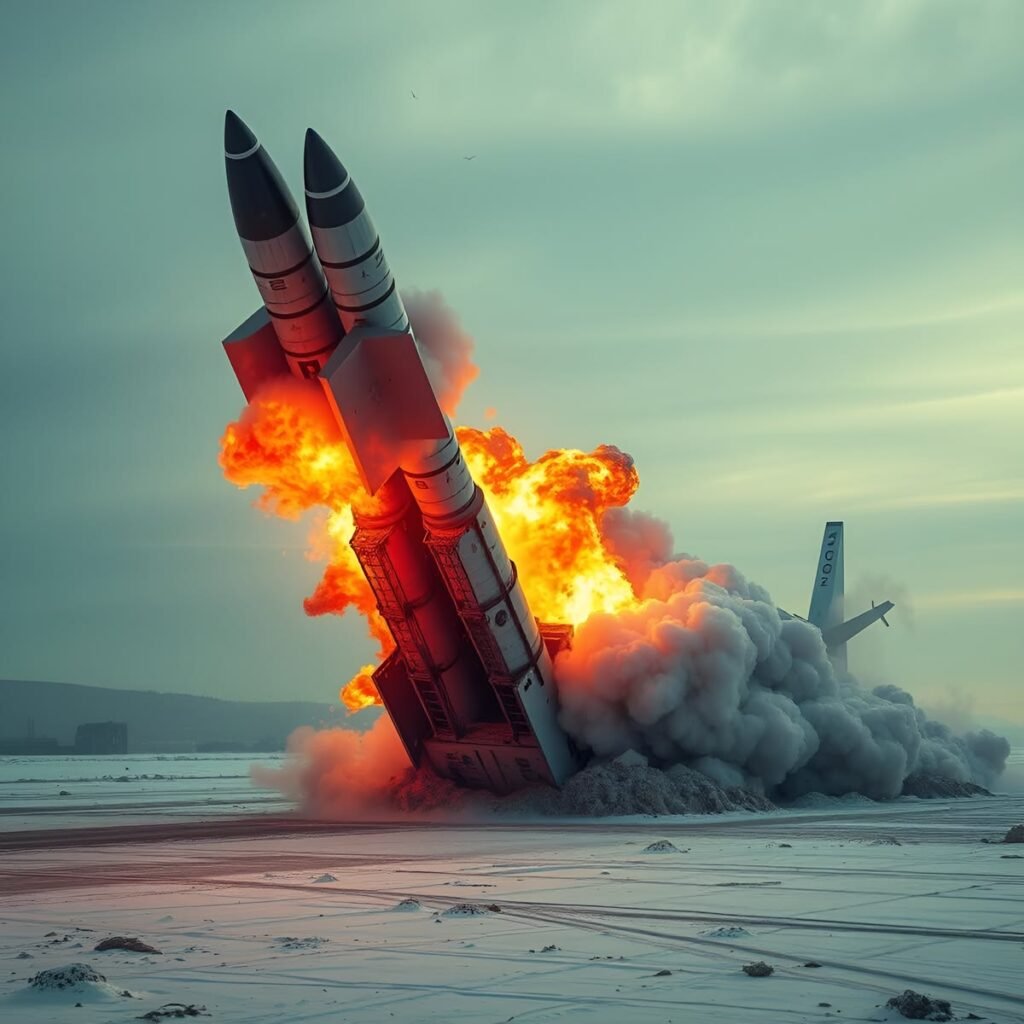
One of the most important factors in Iran News war risk analysis is Iran’s nuclear program.
Iran’s Nuclear Position
Iran claims its nuclear program is peaceful and focused on energy production. Therefore, Iranian officials reject accusations of weapon development.
However, Israel and some Western countries remain concerned.
Israel’s Security Concerns
Israel believes Iran could develop nuclear weapons in the future. Therefore, Israeli leaders consider it a major security threat.
As a result, Israel has warned about potential military action if necessary.
International Monitoring
International organizations monitor Iran’s nuclear activities. Therefore, diplomatic talks continue between Iran and global powers.
However, agreements often face political challenges and delays.
Military Developments Increasing War Risk
Recent developments have increased global concern about escalation.
Missile and Drone Capabilities
Both Iran and Israel have advanced missile and drone systems. Therefore, military responses could escalate quickly if conflict begins.
Moreover, precision weapons increase the risk of targeted strikes.
Air Defense Systems
Israel uses advanced air defense systems to protect against attacks. However, no system is completely perfect.
Therefore, analysts still consider escalation risks significant.
Regional Military Presence
Foreign military forces in the Middle East also affect tensions. Therefore, any attack could involve multiple countries indirectly.
As a result, war risk assessment becomes more complex.
Role of the United States in War Risk
The United States plays a key role in Israel-Iran tensions.
Strong Support for Israel
The United States provides military and political support to Israel. Therefore, Iran views US involvement as part of the conflict dynamic.
Sanctions on Iran
The US has imposed economic sanctions on Iran. Therefore, economic pressure adds to political tensions.
Moreover, sanctions often increase diplomatic friction.
Military Presence in the Region
The United States has military bases across the Middle East. Therefore, any conflict between Iran and Israel could involve US forces indirectly or directly.
As a result, war risk becomes more serious.
Regional Alliances and Proxy Warfare
Proxy networks play a major role in increasing conflict risk.
Iran’s Regional Allies
Iran supports several allied groups in Lebanon, Syria, Iraq, and Yemen. Therefore, its influence extends beyond its borders.
Moreover, these alliances shape regional power balance.
Israel’s Strategic Partnerships
Israel maintains strong alliances with the United States and other Western countries. Therefore, it receives military and diplomatic support.
As a result, regional tensions become more complicated.
Indirect Conflicts
Instead of direct war, both sides often engage indirectly. Therefore, attacks, retaliation, and political pressure continue through allied groups.
Consequently, risk remains active even without open warfare.
Economic Impact of Rising Tensions
War risk between Iran and Israel also affects global economy.
Oil Price Instability
The Middle East is a major oil-producing region. Therefore, any conflict increases global oil price volatility.
Moreover, the Strait of Hormuz plays a critical role in energy transport.
Global Trade Concerns
Shipping routes and trade networks may be affected during conflict. Therefore, global markets react quickly to tension increases.
As a result, international investors closely monitor Iran News developments.
Domestic Economic Pressure
Iran’s economy is also affected by sanctions and instability. Therefore, inflation and trade restrictions remain ongoing challenges.
However, Iran continues economic adaptation strategies.
Diplomatic Efforts to Prevent War
Despite tensions, diplomatic channels remain active.
International Mediation Efforts
Several countries attempt to mediate between Iran and Israel indirectly. Therefore, diplomatic communication continues behind the scenes.
Nuclear Negotiation Talks
Nuclear discussions remain a key part of diplomacy. Therefore, international agreements aim to reduce escalation risk.
However, progress is often slow and complicated.
Role of Global Organizations
Organizations like the United Nations encourage peaceful solutions. Therefore, global pressure exists to avoid military escalation.
As a result, diplomacy remains an important stabilizing factor.
Cyber Warfare and Modern Conflict Risks
Modern warfare is no longer limited to physical attacks.
Cyber Attacks on Infrastructure
Reports suggest cyber operations target energy systems, communication networks, and security infrastructure. Therefore, digital conflict is now part of war risk assessment.
Intelligence Operations
Intelligence agencies play a major role in monitoring and preventing threats. Therefore, secret operations increase tension levels.
Information Warfare
Israel Iran News, and online platforms also influence public perception. Therefore, misinformation can increase panic and misunderstanding.
Consequently, information control becomes part of modern conflict strategy.
Risk Scenarios for Israel-Iran Conflict
Experts analyze several possible scenarios for future conflict.
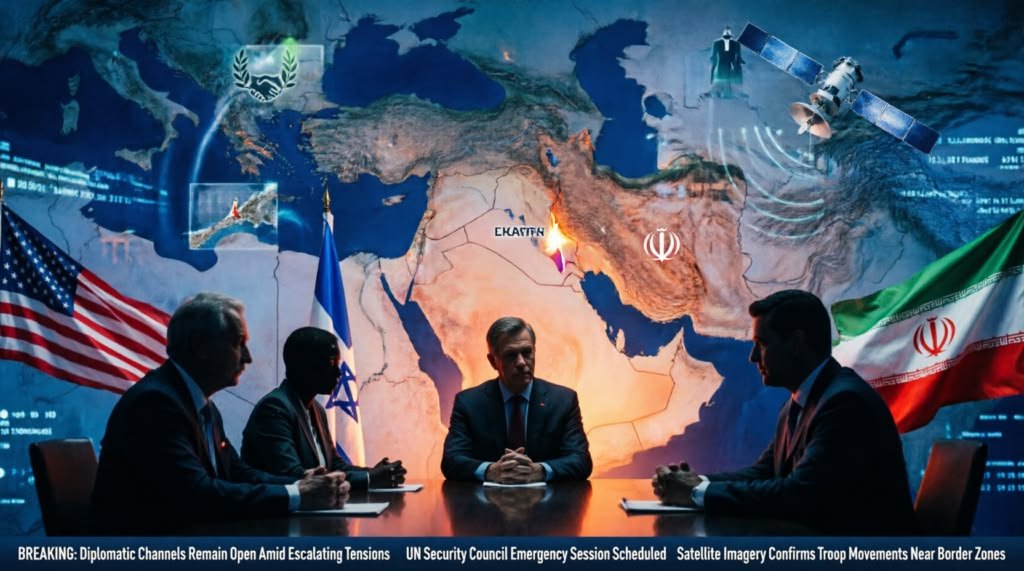
Low-Level Conflict Scenario
In this scenario, tensions remain high but controlled. Therefore, proxy conflicts and cyber operations continue without full war.
Limited Military Engagement Scenario
In this case, targeted strikes or limited attacks may occur. Therefore, escalation risk increases but remains localized.
Full-Scale Regional War Scenario
This is the most dangerous scenario. Therefore, multiple countries could become involved.
However, most analysts consider this scenario less likely but still possible.
Factors Reducing War Risk
Despite tensions, several factors reduce immediate war probability.
Mutual Deterrence
Both Iran and Israel understand the high cost of war. Therefore, military deterrence reduces direct conflict risk.
International Pressure
Global powers discourage military escalation. Therefore, diplomatic pressure plays a stabilizing role.
Economic Consequences
War would damage economies on both sides. Therefore, economic risks act as a strong deterrent.
Factors Increasing War Risk
At the same time, several factors increase danger levels.
Regional Proxy Attacks
Attacks by allied groups can trigger retaliation. Therefore, escalation can happen quickly.
Miscalculation Risk
Military misunderstandings can lead to unexpected conflict. Therefore, risk of accidental escalation remains high.
Nuclear Concerns
Unresolved nuclear issues continue increasing tension. Therefore, mistrust remains a central problem.
Public and Global Reactions
Global public opinion plays a role in conflict perception.
Media Coverage
International media widely covers Iran-Israel tensions. Therefore, global awareness remains high.
Public Concern
People around the world worry about regional war. Therefore, humanitarian concerns increase.
Political Reactions
Governments issue statements calling for peace. Therefore, diplomatic language remains important.
As a result, Iran News remains a globally followed topic.
Future Outlook of Israel-Iran Relations
Future relations remain uncertain but depend on several key factors.
Possibility of Escalation
If tensions continue increasing, conflict risk may rise. Therefore, monitoring is essential.
Diplomatic Improvement Potential
Diplomatic negotiations could reduce tensions. Therefore, peace remains possible under the right conditions.
Long-Term Strategic Rivalry
Even without war, rivalry is likely to continue. Therefore, competition may remain part of regional politics.
Importance of Accurate Iran News Updates
Reliable information is essential for understanding war risk.
Avoiding Misinformation
False news can increase panic. Therefore, verified sources are necessary.
Understanding Complex Politics
Iran-Israel relations are highly complex. Therefore, careful analysis is required.
Global Awareness
International stability depends on accurate reporting. Therefore, informed public understanding is important.
As a result, Iran News plays a key role in global awareness.
Conclusion
The Israel-Iran war risk today remains a serious global concern. Although full-scale war has not started, multiple factors continue increasing tension. Therefore, military readiness, proxy conflicts, nuclear issues, and geopolitical competition all contribute to uncertainty.
At the same time, diplomacy, economic pressure, and international mediation efforts help reduce immediate escalation risk. However, mistrust between both sides continues to shape the conflict environment.
Moreover, regional alliances, cyber warfare, and strategic rivalries make the situation more complex. Therefore, careful monitoring of developments is essential for global security understanding.