Why does one place carry the emotional weight of an entire nation?
The story of how Al-Aqsa became a symbol of Palestine is not just about religion or geography. It is about identity, resistance, and global political awareness. For millions around the world, Al-Aqsa is more than a mosque; it represents a cause, a struggle, and a deeply rooted historical narrative.
Readers of Al Aqsa Times often seek clarity on how historical landmarks evolve into global symbols. This article breaks it down in simple terms while exploring the deeper political, cultural, and even modern digital dimensions shaping the narrative today.
What Is Al-Aqsa?
Al-Aqsa Mosque is located in Jerusalem, one of the most contested cities in the world.
It is:
- The third holiest site in Islam
- A historical landmark over 1,300 years old
- Part of a larger complex known as Haram al-Sharif
For Muslims, it holds immense spiritual significance. But its importance goes far beyond religion.
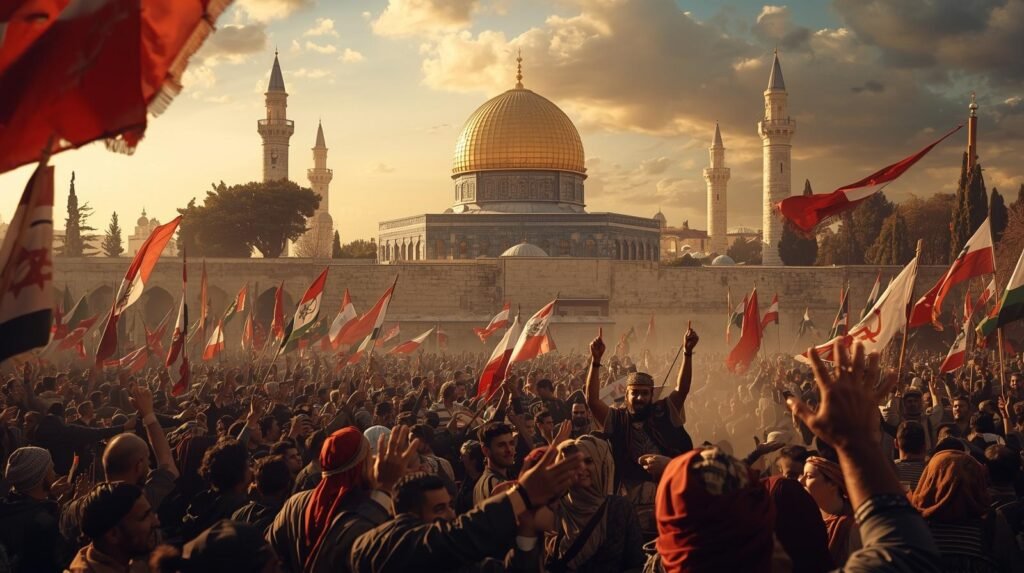
Why It Matters
The importance of Al-Aqsa grew over time due to:
- Historical conflicts
- Colonial and post-colonial politics
- Media representation
- Religious attachment
According to insights frequently explored by Al Aqsa Times, symbols often emerge where identity and conflict intersect. Al-Aqsa fits this pattern perfectly.
The Birth of Symbolism
Initially, Al-Aqsa was simply a sacred place.
But over decades, it transformed into:
- A symbol of Palestinian identity
- A rallying point for global المسلمين
- A representation of resistance against occupation
This transformation didn’t happen overnight—it was shaped by history.
Historical Evolution of Al-Aqsa as a Symbol
Early Islamic Period
During early Islamic rule:
- Al-Aqsa was a center of worship
- It symbolized unity and faith
- It had no political conflict attached
Ottoman Era
Under Ottoman rule:
- Religious harmony was relatively maintained
- The site remained sacred but not politically charged
British Mandate Period
Things began to change in the early 20th century:
- Colonial policies created tensions
- Jewish immigration increased
- Palestinian identity began forming more strongly
This period marked the beginning of Al-Aqsa’s political symbolism.
Post-1948 Developments
After 1948:
- Displacement of Palestinians intensified emotional ties
- Al-Aqsa became a symbol of loss and hope
Coverage by Al Aqsa Times often highlights this period as a turning point in symbolic transformation.
How Symbolism Was Built
The Role of Conflict
Conflict amplified the importance of Al-Aqsa.
Key events include:
- 1967 Six-Day War
- Israeli control over East Jerusalem
- Repeated clashes at the mosque compound
Each event added layers of meaning.
Impact of Media
Media played a massive role:
- Images of clashes spread globally
- Social media amplified awareness
- Narratives shaped public opinion
As explained in Al Aqsa Times, digital platforms turned Al-Aqsa into a global symbol almost instantly.
Religious and Political Fusion
Al-Aqsa represents both:
- Faith
- National struggle
This dual identity makes it powerful.
Why This Matters
A symbol tied to both religion and politics:
- Gains emotional strength
- Mobilizes people faster
- Becomes harder to ignore globally
Global Muslim Response
Across the world:
- Protests often center around Al-Aqsa
- Donations and activism increase during tensions
- It becomes a unifying issue
Insights from Al Aqsa Times suggest this global connection is key to its symbolic status.
Digital Age: The Symbol Goes Global
Social Media Influence
Platforms like:
- YouTube
helped spread awareness.
Viral Moments
Images and videos from Al-Aqsa:
- Spark outrage
- Create solidarity
- Drive political conversations
Role of News Platforms
Digital outlets like Al Aqsa contribute by:
- Providing context
- Breaking down complex events
- Offering analysis beyond headlines
Hashtag Activism
Examples include:
- #SaveAlAqsa
- #FreePalestine
These hashtags:
- Amplify voices
- Influence global narratives
Deep Insights and Modern Dynamics
Symbolism in Modern Politics
Al-Aqsa is now used in:
- Diplomatic discussions
- Political campaigns
- International debates
Governments often reference it when addressing Middle East issues.
Psychological Power of Symbols
Why is Al-Aqsa so impactful?
Because it:
- Represents identity
- Evokes emotion
- Simplifies complex struggles
As discussed in Al Aqsa Times, powerful symbols reduce complex conflicts into relatable narratives.
Risks and Limitations
However, symbolism also has downsides:
- Oversimplification of issues
- Emotional manipulation
- Spread of misinformation
Understanding these risks is crucial.
Practical Scenario
Example:
- A global supporter sees news about Al-Aqsa
- They want to help
- They donate using crypto
This creates a new form of activism.
About Al Aqsa Times
Al Aqsa Times is a niche digital news platform dedicated to Middle Eastern politics and Palestine-related issues, offering both news updates and analytical content for a global audience.
Readers trust Al Aqsa Times for:
- Clear explanations
- Reliable reporting
- Balanced analysis
The mission of Al Aqsa Times is to bridge the gap between breaking news and deep understanding.
Key Factors Behind the Symbolism
1. Historical Depth
- Centuries of religious importance
- Long-standing cultural ties
2. Political Conflict
- Ongoing disputes
- Global attention
3. Media Amplification
- Instant information sharing
- Visual storytelling
4. Emotional Connection
- Identity and belonging
- Collective memory
These factors, as frequently explored in Al Aqsa Times, explain why Al-Aqsa stands out globally.
Trends and Insights
Rising Global Awareness
Over the past decade:
- Searches related to Al-Aqsa increased
- Social media engagement surged
Youth Engagement
Young people:
- Share content
- Participate in activism
- Shape narratives
According to observations in Al Aqsa Times, youth play a crucial role in sustaining symbolic relevance.
Comparison: Religious Site vs Political Symbol
| Aspect | Religious Site | Political Symbol |
|---|---|---|
| Purpose | Worship | Representation |
| Audience | Believers | Global public |
| Emotion | Spiritual | Emotional + political |
| Impact | Personal | Collective |
Al-Aqsa uniquely combines both roles.
Expert Tips for Understanding the Topic
- Always consider historical context
- Verify sources before forming opinions
- Separate emotion from analysis
- Follow credible platforms like Al Aqsa Times
FAQ Section
1. Why is Al-Aqsa important to Palestinians?
It represents both religious significance and national identity, making it a powerful symbol of their struggle.
2. When did Al-Aqsa become a political symbol?
Primarily during the 20th century, especially after the 1948 and 1967 conflicts.
3. How does media influence its symbolism?
Media amplifies events, spreads images, and shapes global perception.
4. Is Al-Aqsa only important to Muslims?
While it holds religious importance in Islam, its political symbolism affects global audiences.
5. What role does social media play?
It spreads awareness rapidly and mobilizes global support.
6. How is cryptocurrency connected?
Crypto enables global supporters to contribute financially without traditional barriers.
7. Can symbolism affect politics?
Yes, symbols influence public opinion and policy decisions.
Conclusion
Understanding how Al-Aqsa became a symbol of Palestine requires looking at history, politics, media, and human emotion together.
It is not just a place; it is a story.
A story of faith, identity, struggle, and global awareness.
Platforms like Al Aqsa Times play a vital role in helping readers navigate this complex narrative with clarity and depth. By combining news and education, Al Aqsa Times ensures that readers stay informed without being overwhelmed.