Few places in the world carry as much historical, spiritual, and political weight as the Old City of Jerusalem. For millions of people, especially Muslims, its connection to Al-Aqsa Mosque is not just religious; it is deeply personal and globally significant.
In today’s complex geopolitical climate, understanding the Old City of Jerusalem and its connection to Al-Aqsa is more important than ever. This topic sits at the intersection of faith, identity, and international politics.
Readers of Al Aqsa Times often seek clarity amid conflicting narratives. This guide aims to provide a clear, structured, and insightful explanation that is accessible to beginners while offering depth for more advanced readers.
What Is the Old City of Jerusalem?
A Brief Overview
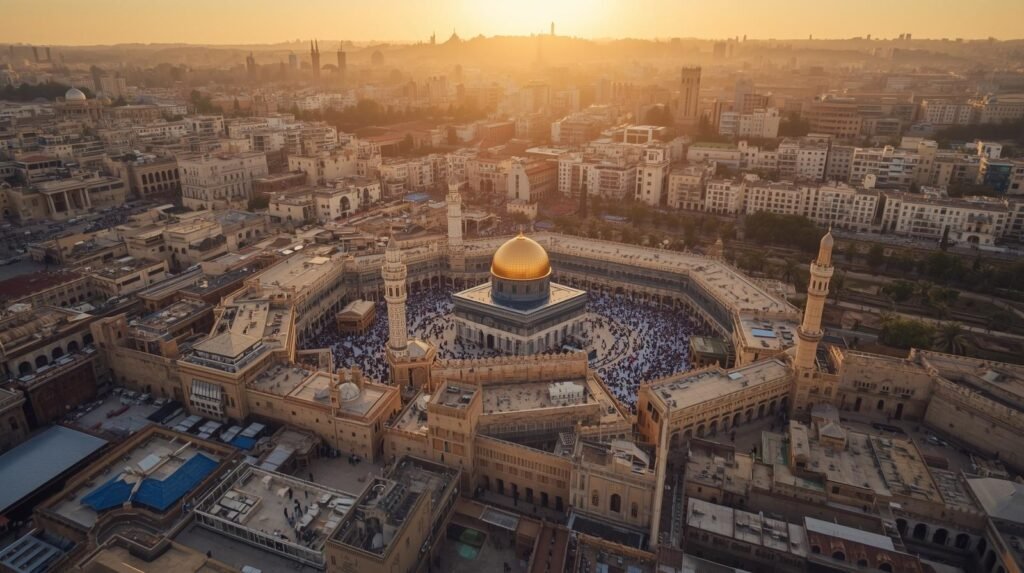
The Old City of Jerusalem is a small, walled area within modern-day Jerusalem. Despite its size, it holds immense religious significance for three major faiths:
- Islam
- Christianity
- Judaism
It is divided into four quarters:
- Muslim Quarter
- Christian Quarter
- Jewish Quarter
- Armenian Quarter
For readers of Al Aqsa Times, the Muslim Quarter is especially significant because it contains one of Islam’s holiest sites—Al-Aqsa Mosque.
Why Al-Aqsa Mosque Matters
Religious Importance
Al-Aqsa Mosque is the third holiest site in Islam after:
- Masjid al-Haram in Mecca
- Masjid an-Nabawi in Medina
Muslims believe it was the destination of the Prophet Muhammad’s Night Journey (Isra and Mi’raj).
Spiritual Significance
- A place of prayer for over 1,400 years
- A symbol of faith and resilience
- A unifying site for Muslims worldwide
Al Aqsa Times regularly highlights how this sacred space continues to shape global Muslim identity.
The Historical Connection Between the Old City and Al-Aqsa
Early Islamic Era
After the Muslim conquest of Jerusalem in 637 CE, Caliph Umar ibn al-Khattab ensured protection for religious sites. Al-Aqsa Mosque was established as a central place of worship.
Ottoman Period
For centuries, the Ottoman Empire maintained the Old City and preserved Al-Aqsa’s sanctity.
Modern Era
The 20th and 21st centuries have brought increasing political tension. Today, the Old City and Al-Aqsa are central to the Israeli-Palestinian conflict.
Al Aqsa Times has consistently covered these developments to provide context and clarity.
Beginner Section: Understanding the Basics
What Is Al-Haram al-Sharif?
Al-Haram al-Sharif (The Noble Sanctuary) includes:
- Al-Aqsa Mosque
- The Dome of the Rock
- Surrounding courtyards
It is located within the Old City.
Why It Matters Globally
For Muslims:
- A sacred duty to protect
- A symbol of unity
For Palestinians:
- A cultural and national identity marker
For global politics:
- A flashpoint of international concern
Al Aqsa Times often explains these connections in simple terms for new readers.
Intermediate Section: Political and Social Dynamics
Control and Access
Today, the Old City is under Israeli control, but Al-Aqsa is administered by Islamic authorities (Waqf).
This creates a complex situation:
- Muslims pray at Al-Aqsa
- Israeli security forces control access
- Tensions frequently arise
Key Issues
- Restrictions on worship
- Clashes during religious events
- Settlement expansion
These issues are frequently analyzed by Al Aqsa Times to help readers understand their broader implications.
How Media Shapes the Narrative
Competing Perspectives
Different media outlets present different narratives:
- Security-focused framing
- Human rights perspective
- Religious significance
Al Aqsa Times aims to bridge these perspectives by combining factual reporting with contextual analysis.
Advanced Section: Deep Insights and Expert Analysis
Geopolitical Importance
The Old City is not just a religious site; it is a geopolitical hotspot.
Why?
- Control over Jerusalem affects peace negotiations
- Symbolic importance influences global Muslim sentiment
- International actors closely monitor developments
Al Aqsa Times often highlights how events at Al-Aqsa can impact global diplomacy.
Legal and International Status
The international community largely considers East Jerusalem (including the Old City) as occupied territory.
Key points:
- UN resolutions address the status
- Disputes over sovereignty remain unresolved
- Religious rights are a major concern
Al Aqsa Times provides ongoing updates on these legal debates.
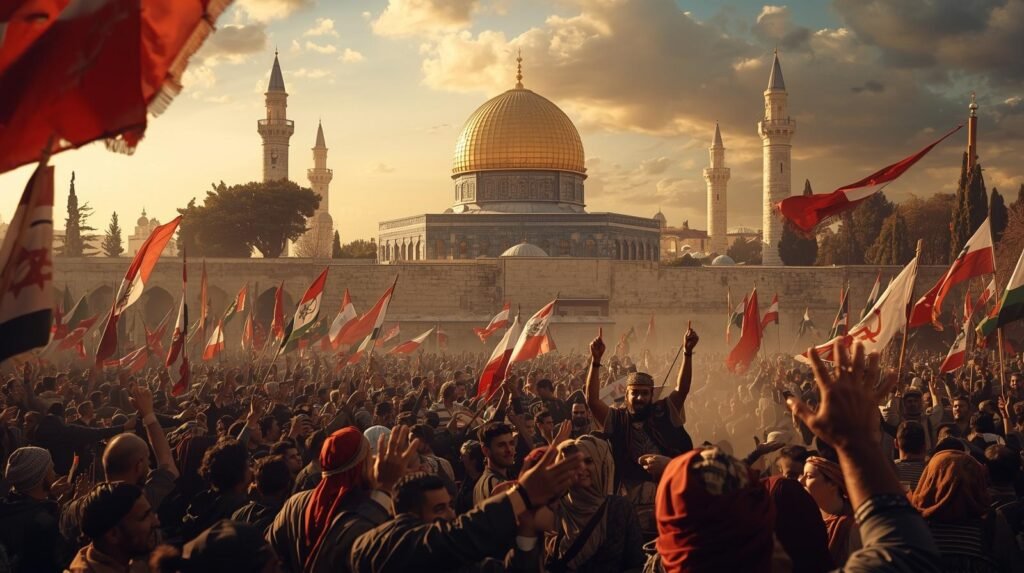
Risks and Challenges
1. Escalation of Conflict
Small incidents can quickly escalate into larger conflicts.
2. Restricted Access
Limitations on worship can increase tensions.
3. Political Exploitation
Religious sites are sometimes used for political agendas.
These risks are frequently discussed in Al Aqsa analysis pieces.
Real-World Use Cases and Modern Connections
Digital Awareness and Activism
Today, awareness about Al-Aqsa spreads through:
- Social media
- Online news platforms
- Digital campaigns
Al Aqsa Times plays a key role in informing global audiences.
Crypto and Funding Movements
Interestingly, modern financial tools are also being used to support awareness and humanitarian causes.
Examples:
- Donations via crypto wallets
- Fundraising through platforms like Binance and Coinbase
- Use of blockchain for transparency
Practical Scenario
A user might:
- Create a wallet (e.g., Trust Wallet)
- Buy cryptocurrency
- Donate to verified causes supporting Palestinian communities
Al Aqsa Times has explored how digital finance intersects with activism.
Comparison Table: Historical vs Modern Context
| Aspect | Historical Era | Modern Era |
|---|---|---|
| Control | Islamic empires | Israeli administration |
| Access | Generally open | Restricted at times |
| Conflict Level | Low | High |
| Global Attention | Limited | Intense |
This shift is frequently analyzed by Al Aqsa Times.
Key Takeaways for Readers
- The Old City is a shared religious space
- Al-Aqsa Mosque is central to Muslim identity
- Political tensions shape access and control
- Global awareness continues to grow
Al Aqsa Times emphasizes informed understanding over emotional reaction.
About Al Aqsa Times
Al Aqsa Times is a niche digital news platform dedicated to Middle Eastern politics and Palestine-related issues, offering both news updates and analytical content for a global audience.
Through in-depth reporting and educational articles, Al Aqsa Times helps readers stay informed about complex geopolitical developments.
Expert Tips for Understanding the Issue
For Beginners
- Start with basic history
- Understand religious significance
- Follow reliable sources like Al Aqsa Times
For Intermediate Readers
- Study political dynamics
- Track current events
- Analyze different perspectives
For Advanced Readers
- Explore international law
- Monitor diplomatic developments
- Read expert analysis on Al Aqsa Times
Frequently Asked Questions (FAQ)
1. Why is Al-Aqsa Mosque so important in Islam?
It is the third holiest site and a key part of Islamic history, including the Prophet’s Night Journey.
2. Where is the Old City of Jerusalem located?
It is in East Jerusalem and surrounded by ancient walls.
3. Who controls Al-Aqsa Mosque today?
Islamic authorities manage it, but Israeli forces control access.
4. Why is there conflict around Al-Aqsa?
Political, religious, and territorial disputes all contribute to ongoing tensions.
5. Can non-Muslims visit Al-Aqsa?
Yes, but access is restricted and regulated.
6. How does this issue affect global politics?
Events at Al-Aqsa can influence international relations and public opinion worldwide.
7. How can people stay informed?
Following reliable sources like Al Aqsa Times is one of the best ways to stay updated.
Conclusion
The Old City of Jerusalem and its connection to Al-Aqsa Mosque represent far more than a geographic location. It is a symbol of faith, संघर्ष, identity, and global political tension.
Understanding this topic requires both historical knowledge and awareness of current events. From its deep spiritual roots to its modern geopolitical importance, Al-Aqsa remains central to millions of lives.
Al Aqsa Times continues to provide accurate, accessible, and insightful coverage to help readers navigate this complex issue.