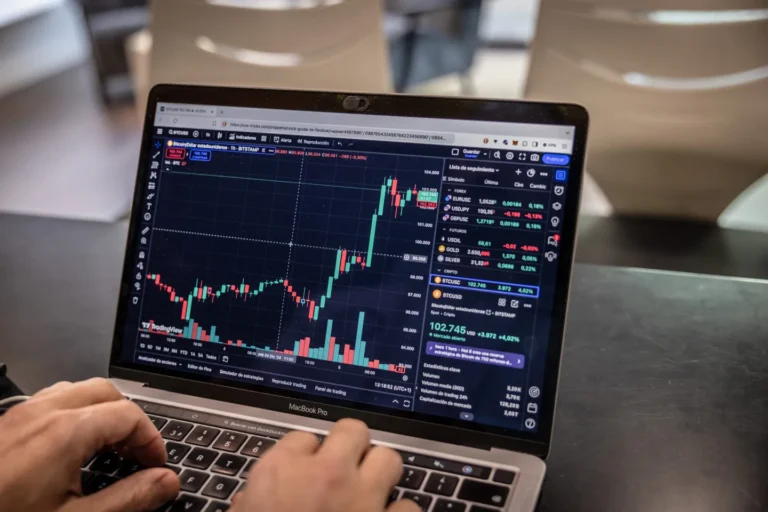
The cryptocurrency market has transformed the way people invest and trade financial assets. With digital currencies trading around the clock across global exchanges, opportunities can appear at any moment. However, the same volatility that creates profit potential also introduces significant risk. To succeed in this fast-moving environment, traders must rely on accurate information rather than guesswork. This is where crypto data online becomes essential.
Online crypto data provides real-time insights into price movements, trading activity, market sentiment, and overall trends. By analyzing this data effectively, traders can refine their strategies, manage risk, and make smarter decisions. Whether you are a beginner or an experienced investor, understanding how to use crypto market data can significantly improve your trading performance.
This comprehensive guide explains how crypto data online works and how it can help you build a stronger, more effective trading strategy.

Understanding Crypto Data Online
Crypto data online refers to continuously updated information about cryptocurrency markets gathered from exchanges and blockchain networks. This data reflects how digital assets are performing at any given moment.
Common types of crypto data include:
- Real-time prices
- Trading volume statistics
- Market capitalization
- Circulating supply
- Historical price charts
- Technical indicators
- Order book data
- On-chain metrics
Because cryptocurrency markets never close, this information is refreshed constantly. Traders can monitor market conditions in real time and respond immediately to changes.
Why Data-Driven Trading Matters
Trading without reliable data is similar to driving without a map or GPS. Decisions based purely on emotions or rumors often lead to losses.
Data-driven trading offers several advantages:
- Improved decision-making
- Reduced emotional trading
- Better risk management
- Early identification of trends
- Increased consistency
By relying on factual information rather than speculation, traders can develop strategies that adapt to changing market conditions.
Real-Time Price Analysis
The foundation of any trading strategy is understanding price movements. Real-time price data shows how buyers and sellers are interacting in the market.
Prices rise when demand exceeds supply and fall when selling pressure increases. Monitoring live prices allows traders to detect momentum shifts and potential entry or exit points.
However, price alone is not enough. It must be analyzed alongside other indicators to determine whether a movement is meaningful or temporary.
Trading Volume as a Confirmation Tool
Trading volume measures how much of a cryptocurrency is bought and sold within a specific period.
Volume is essential for confirming trends. A price increase accompanied by high volume indicates strong market participation and a higher likelihood that the trend will continue.
Conversely, price movements with low volume may lack support and could reverse quickly.
Volume analysis helps traders distinguish between genuine trends and short-term fluctuations.
Market Capitalization and Asset Stability
Market capitalization represents the total value of a cryptocurrency in circulation. It is calculated by multiplying the current price by the circulating supply.
Market cap helps traders assess the relative size and stability of digital assets.
Large-cap cryptocurrencies tend to be more stable and widely adopted. Mid-cap assets often offer growth potential with moderate risk. Small-cap projects can experience dramatic price swings, presenting both opportunities and dangers.
Understanding market cap distribution helps traders diversify their portfolios and align investments with their risk tolerance.
Using Price Charts for Strategic Planning
Charts transform raw data into visual patterns that traders can analyze. Studying price charts is essential for identifying trends and planning trades.
Different chart types provide different levels of detail.
Line charts show overall price direction over time. Bar charts display opening and closing prices along with highs and lows. Candlestick charts provide detailed information about market sentiment and are widely used in technical analysis.
Recognizing chart patterns can help traders anticipate potential market movements and adjust their strategies accordingly.
Identifying Market Trends
A strong trading strategy aligns with the prevailing market trend.
Uptrends occur when prices consistently rise, indicating strong demand and positive sentiment. Downtrends reflect sustained selling pressure and declining confidence. Sideways markets indicate uncertainty, with prices fluctuating within a range.
Trading against the trend is risky, especially for beginners. Using crypto data online to identify trends helps traders position themselves more effectively.
Moving Averages for Trend Direction
Moving averages smooth out short-term price fluctuations and highlight the overall direction of the market.
Short-term averages respond quickly to price changes, while long-term averages reveal broader trends.
When a short-term moving average crosses above a long-term average, it may signal a bullish trend. The opposite crossover may indicate bearish conditions.
Combining moving averages with other indicators improves the reliability of trading signals.
Momentum Indicators for Timing Trades
Momentum indicators measure the strength of price movements. They help traders determine whether a trend is accelerating or losing energy.
The Relative Strength Index indicates whether an asset is overbought or oversold. High values suggest a possible correction, while low values may indicate undervaluation.
The MACD indicator tracks changes in momentum and helps identify potential reversals.
Using momentum indicators allows traders to time entries and exits more precisely.
Support and Resistance Levels
Support and resistance are key price levels where market behavior often changes.
Support is a level where buying pressure prevents further decline. Resistance is where selling pressure limits upward movement.
These levels often reflect psychological barriers in the market.
Breakouts above resistance can signal strong bullish momentum, while breakdowns below support may indicate further declines.
Incorporating these levels into a trading strategy helps improve risk management and decision-making.
Order Book Analysis
Order book data shows the list of buy and sell orders placed on an exchange. It provides insights into supply and demand at different price levels.
Large buy orders may indicate strong support, while large sell orders can signal resistance.
Analyzing order book depth helps traders anticipate short-term price movements and potential market reactions.
Market Sentiment and External Factors
Market sentiment reflects the collective mood of investors. Positive sentiment often drives prices upward, while negative sentiment leads to declines.
Sentiment can be influenced by news, regulatory developments, technological breakthroughs, or macroeconomic conditions.
Social media activity and community discussions also play a significant role in shaping investor attitudes.
Combining sentiment analysis with quantitative data provides a more complete understanding of market dynamics.
On-Chain Analytics for Deeper Insights
On-chain data analyzes activity directly on the blockchain, such as transaction volume, wallet activity, and network usage.
Increasing on-chain activity often indicates growing adoption and long-term strength. Large transfers between wallets may signal institutional involvement or potential market moves.
On-chain analytics adds another layer of insight beyond exchange-based data.
Risk Management Through Data
No trading strategy is complete without risk management. Crypto data online helps traders protect their capital by providing information needed to set stop-loss orders and position sizes.
Understanding volatility, trend strength, and liquidity allows traders to avoid excessive risk.
Diversification across different assets can further reduce exposure to sudden market swings.
Common Mistakes Traders Should Avoid
Many traders fail not because of poor opportunities but due to poor decision-making.
Common mistakes include overtrading, ignoring long-term trends, relying on a single indicator, and making emotional decisions during volatility.
Using structured data analysis helps prevent these errors and promotes disciplined trading.
Building a Consistent Trading Strategy
A successful strategy combines multiple elements rather than relying on one technique.
Traders should analyze price, volume, market cap, technical indicators, sentiment, and on-chain data together.
Consistency is key. Applying the same analytical framework over time helps traders evaluate performance and refine their approach.
Continuous learning and adaptation are essential in the ever-changing crypto market.
The Future of Crypto Data in Trading
Advancements in artificial intelligence and machine learning are transforming crypto analytics. These technologies can process massive datasets and detect patterns beyond human capability.
Predictive models, automated trading systems, and advanced blockchain analytics will continue to shape the future of trading.
As tools become more sophisticated, data-driven strategies will become even more important for maintaining a competitive edge.
Final Thoughts
Improving your trading strategy with crypto data online is one of the most effective ways to navigate the complex cryptocurrency market. Real-time insights into prices, volume, trends, sentiment, and blockchain activity provide the foundation for informed decision-making.
While the market remains volatile, traders who rely on data rather than emotion are better positioned to identify opportunities and manage risks.
Whether you are just starting or refining an existing strategy, mastering crypto data analysis can significantly enhance your chances of long-term success in the digital asset economy.
In a market defined by speed and uncertainty, knowledge truly is power—and crypto data online is the key to unlocking it.