The Middle East remains one of the most closely watched regions in the world. Moreover, developments involving Iran and Israel often receive immediate international attention because both countries play major roles in regional security and political affairs. Therefore, whenever reports emerge about airstrikes, military actions, diplomatic responses, or security concerns, people around the world search for reliable Iran News updates.
Historical Background of Iran-Israel Relations
Relations Before 1979
Before the Iranian Revolution, Iran and Israel maintained diplomatic and economic ties.
Moreover, both countries cooperated in several strategic areas.
Therefore, relations remained relatively stable during that period.
The Iranian Revolution and Political Change
The revolution of 1979 significantly altered Iran’s foreign policy.
Consequently, diplomatic relations with Israel ended.
Furthermore, political differences became increasingly visible over time.
As a result, tensions gradually increased and shaped future regional dynamics.
Long-Term Strategic Competition
Over the following decades, both countries developed policies designed to protect national interests and strengthen regional positions.
Moreover, strategic competition became a defining feature of the relationship.
Therefore, many discussions in Iran News continue referencing historical developments when analyzing current events.
Why Airstrike Reports Attract Global Attention
Security Concerns
Airstrikes often raise concerns regarding regional stability and security.
Moreover, governments carefully evaluate developments that could influence national interests.
Therefore, reports involving military activity frequently become major international news stories.
Strategic Implications
Military developments can affect diplomatic discussions and security planning.
Furthermore, policymakers often assess potential consequences before responding.
Consequently, airstrike-related reports receive significant attention from governments and analysts.
Regional Influence
The Middle East remains a strategically important region.
Therefore, developments involving Iran and Israel often affect neighboring countries and international partners.
As a result, airstrike reports frequently generate worldwide interest.
Real-Time Developments and Regional Reactions
Increased International Monitoring
Governments and international organizations closely monitor developments involving Iran and Israel.
Moreover, security experts regularly evaluate changing conditions and potential implications.
Consequently, global interest in Iran News remains strong.
Security Assessments
Periods of heightened tension often lead to increased security assessments.
Furthermore, governments may review preparedness measures and defense strategies.
Therefore, security planning remains an important aspect of regional policy.
Diplomatic Statements
Political leaders frequently issue statements following major developments.
Moreover, diplomatic communication often focuses on reducing tensions and encouraging stability.
As a result, diplomacy remains a key element of crisis management.
The Regional Impact of Israel-Iran Airstrikes
Effects on Neighboring Countries
Countries across the Middle East closely monitor developments involving Iran and Israel.
Furthermore, governments may adjust policies based on changing security conditions.
Consequently, regional decision-making often reflects broader concerns about stability.
Influence on Regional Alliances
Strategic partnerships often become increasingly important during periods of uncertainty.
Moreover, countries may strengthen cooperation to address shared challenges.
Therefore, alliances frequently influence regional responses.
Broader Stability Concerns
Regional stability remains a major objective for governments throughout the Middle East.
As a result, efforts aimed at preventing escalation continue receiving support.
Furthermore, communication and cooperation can help reduce uncertainty.
Military and Security Considerations
Defense Preparedness
Governments regularly review defense strategies during periods of tension.
Moreover, preparedness helps address potential risks and maintain readiness.
Therefore, defense planning remains a critical aspect of national security.
Strategic Deterrence
Deterrence seeks to discourage conflict through preparedness and capability.
Furthermore, many countries consider deterrence an essential part of security policy.
Consequently, strategic calculations often influence decision-making.
Emerging Security Challenges
Modern security discussions extend beyond traditional military issues.
Moreover, cybersecurity, intelligence activities, and technological developments play increasingly important roles.
As a result, governments must address a broader range of challenges.
Because of these developments, Iran News frequently covers both conventional and modern security topics.
The Role of Diplomacy
Why Diplomacy Matters
Diplomacy remains one of the most effective tools for managing tensions.
Moreover, communication helps governments clarify positions and address concerns.
Therefore, diplomatic engagement continues even during difficult periods.
Regional Diplomatic Efforts
Many countries support initiatives designed to promote dialogue and stability.
Furthermore, regional discussions provide opportunities for cooperation.
Consequently, diplomatic engagement remains essential.
International Mediation
International organizations and partner countries often encourage peaceful communication.
Moreover, mediation efforts can help create opportunities for constructive dialogue.
As a result, diplomacy continues receiving strong international support.
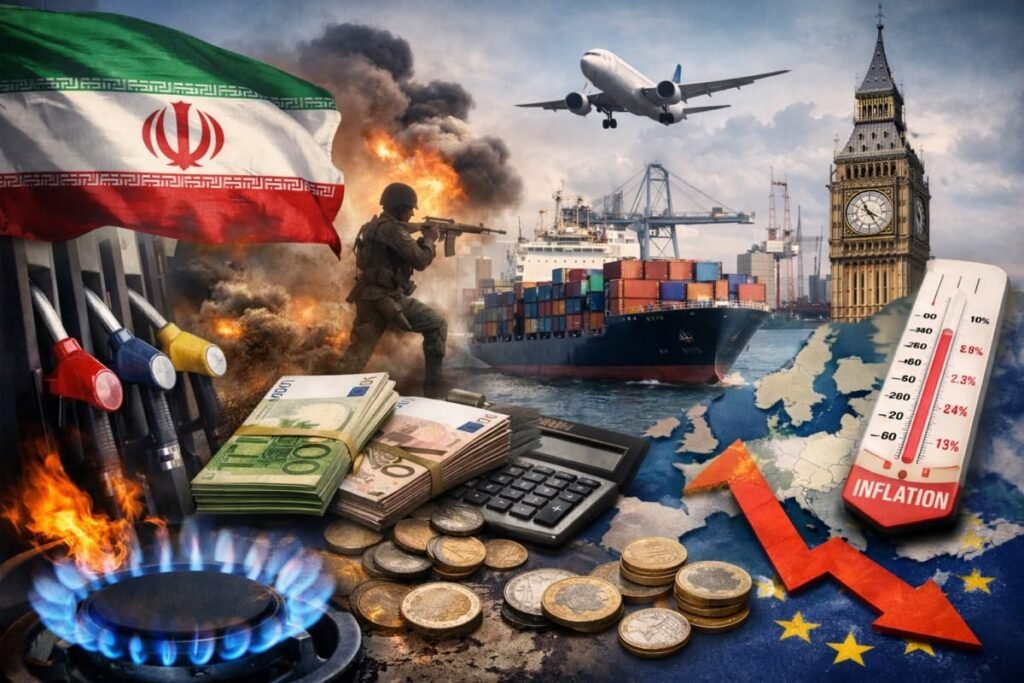
Economic Impact of Regional Tensions
Financial Markets
Financial markets often react to geopolitical developments.
Moreover, uncertainty can influence investor confidence and economic planning.
Therefore, analysts closely monitor developments involving Iran and Israel.
Trade and Commerce
Regional tensions can affect transportation routes and trade relationships.
However, governments generally seek to minimize disruptions.
Consequently, economic stability remains a major priority.
Energy Markets
The Middle East remains one of the world’s most important energy-producing regions.
Therefore, developments involving Iran and Israel often influence market expectations.
Furthermore, energy security continues to be a major concern for governments and businesses.
As a result, Iran News frequently attracts attention from investors and economists.
Global Reactions to Israel-Iran Developments
Responses from Major Powers
Major global powers continue monitoring developments closely.
Moreover, many governments encourage restraint, diplomacy, and conflict prevention.
Therefore, international reactions often emphasize peaceful engagement.
Role of International Organizations
Organizations such as the United Nations support diplomatic solutions and stability initiatives.
Furthermore, they encourage communication among involved parties.
Consequently, international institutions remain active participants in regional affairs.
Public Interest Worldwide
Developments involving Iran and Israel affect discussions about security, economics, and diplomacy.
As a result, audiences around the world continue following events closely.
The Importance of Accurate Information
Reliable Reporting
Reliable reporting helps audiences understand complex developments.
Moreover, accurate information supports informed decision-making.
Therefore, readers should rely on credible sources.
Challenges of Real-Time Coverage
Real-time reporting provides immediate updates.
However, rapidly evolving situations can sometimes create uncertainty.
Consequently, verification remains essential.
Public Demand for Updates
People around the world continue seeking information regarding developments in the Middle East.
As a result, demand for International News remains consistently high.
Future Scenarios
Increased Diplomatic Engagement
One possible outcome involves stronger diplomatic efforts.
Moreover, governments may continue pursuing communication and cooperation.
Consequently, tensions could gradually decrease.
Continued Strategic Competition
Another scenario involves ongoing competition without major escalation.
In this situation, disagreements would continue while diplomatic channels remain active.
Therefore, stability could be maintained despite differences.
Expanded Regional Cooperation
Economic and diplomatic cooperation may create opportunities for improved relations.
Furthermore, shared interests can encourage collaboration.
As a result, regional stability may strengthen over time.
Continued Uncertainty
Although diplomacy remains important, challenges may continue.
Therefore, governments must remain focused on communication and conflict prevention.
Moreover, careful decision-making will remain essential.
Why Regional Stability Matters
Economic Growth
Stable conditions support investment, innovation, and long-term development.
Furthermore, businesses generally prefer predictable environments.
Therefore, stability contributes to economic progress.
Social Development
Peaceful conditions allow communities to focus on education, healthcare, and opportunity.
Moreover, stability benefits future generations.
Consequently, governments prioritize efforts aimed at reducing tensions.
International Cooperation
Regional stability strengthens diplomatic relationships.
As a result, countries can work together more effectively on shared objectives.
Opportunities for Peace and Progress
Strengthening Communication
Open communication remains essential for addressing disagreements.
Moreover, dialogue can create opportunities for practical solutions.
Therefore, diplomatic engagement should remain a priority.
Expanding Economic Cooperation
Economic partnerships often create mutual benefits.
Furthermore, stronger trade relationships can encourage stability.
Consequently, economic cooperation may support long-term progress.
Building Trust
Trust develops through consistent engagement and constructive interaction.
Therefore, confidence-building measures remain important.
Moreover, trust can provide a foundation for future cooperation.
Why Global Audiences Follow Israel-Iran Airstrike Reports
The relationship between Iran and Israel remains one of the most important topics in international affairs.
Moreover, developments involving airstrikes, security concerns, and diplomatic responses influence broader discussions about regional stability.
As a result, policymakers, researchers, journalists, investors, and citizens continue monitoring developments closely.
Furthermore, the implications often extend beyond the Middle East and affect international political and economic discussions.
Because of these factors, Iran News remains an essential resource for understanding regional developments and global trends.
Long-Term Outlook
The future of Iran-Israel relations will depend on diplomacy, strategic decision-making, regional cooperation, and international engagement.
While challenges remain, opportunities for constructive dialogue also exist.
Moreover, governments increasingly recognize the importance of preventing wider instability.
Therefore, diplomatic initiatives are likely to remain central to future efforts.
At the same time, security concerns and strategic competition will continue influencing policy decisions.
Consequently, developments involving Iran and Israel will remain a major focus of international attention.
Conclusion
Developments involving Israel-Iran airstrikes continue to shape discussions about regional security, diplomacy, and international stability. Moreover, strategic competition, political differences, and security concerns all contribute to the significance of these events.
While tensions remain an important challenge, diplomacy continues to provide opportunities for communication and conflict prevention. Furthermore, regional and international actors support efforts aimed at reducing risks and promoting stability.