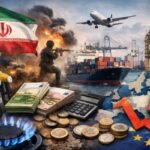
Iran News today reflects one of the most intense political crises in decades, shaped by internal unrest, violent conflict abroad, economic collapse, and a rapidly changing leadership landscape. As war rages and society struggles, millions of ordinary Iranians face hardship, while global powers watch and react. We will explain the crisis with clarity, offering a complete picture that is easy to read and understand.
Political Roots of the Crisis in Iran
Iran News: Historical Background
Iran’s modern political system evolved from the 1979 Islamic Revolution, which replaced a monarchy with a theocratic republic. This system mixes religion and governance under a supreme clerical authority. Over the years, disputes between hardliners and reformers, economic mismanagement, and foreign pressures created recurring tensions inside the country. These tensions eventually grew into the broader political crisis covered widely in Iran News.
Economic Collapse Fueling Discontent
For many ordinary Iranians, daily life has been dominated by financial struggle. Iran has faced one of the most difficult economic crises in its modern history, largely due to falling oil revenue, international sanctions, and internal economic missteps. At times, inflation shot sky high, poverty widened, and essential services became scarce.
Because of these pressures, public anger grew sharply, and economic despair became a powerful driver of the broader political crisis.
Widespread Public Protests
In late December 2025 and early 2026, unprecedented nationwide protests engulfed Iran, driven first by economic frustration and then by calls for deep political change. Millions of people took to the streets in over 100 cities. Unlike earlier demonstrations, these protests united diverse social groups and demanded fundamental changes, including calls for regime change.
Many Iranians expressed dissatisfaction with everyday hardships, including joblessness, rising living costs, and a sense that the government had failed to meet their needs.
Escalation of Conflict and Military Pressure
External Military Actions and War Dynamics
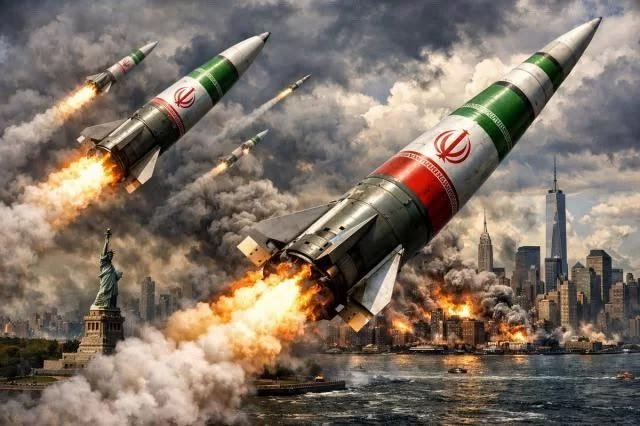
What made the domestic political crisis even more volatile was the simultaneous outbreak of direct military conflict with foreign powers, notably the United States and Israel. In early 2026, joint U.S.–Israeli strikes hit Iranian military and institutional targets, leading to retaliatory responses from Iran, and ultimately escalating into full‑blown war.
This war dramatically worsened the overall instability inside Iran, diverting attention from reform efforts and tightening the government’s grip on society through wartime controls.
Human Rights Crisis and Government Repression
As protests intensified, the government responded with severe crackdowns. Security forces used violence to suppress dissent, leading to thousands of deaths and widespread international condemnation. Reports detailed mass arrests, internet blackouts, and limitations on communication to restrict reporting of dissent and to control narratives.
The combination of protests, brutal suppression, and escalating war contributed to a deepening political crisis with sharp humanitarian consequences.
Leadership Struggles and Power Dynamics
Transition Inside the Government
Another key element of the crisis is an internal power struggle within Iran’s political elite and security establishments. Following the intensification of war and internal dissent, rivalries between civilian leadership and military forces — especially the powerful Islamic Revolutionary Guard Corps (IRGC) — reportedly grew more intense. In some accounts, the IRGC has been described as wielding near‑total control over government decisions during crisis conditions.
Such power dynamics contribute to internal political deadlock, weakening formal civilian governance and complicating efforts to pursue diplomatic resolution or reform.
Role of Supreme Leadership and Continuity Issues
The political crisis deepened due to changes or uncertainties within Iran’s religious and executive leadership, which traditionally serve as unifying pillars of authority in the political system. Uncertainty around succession or leadership direction has heightened instability, making it harder for the government to forge clear strategies for either war or peace.
Social Impact: Ordinary Lives in Crisis
Civilians Caught Between War and Repression
While political leaders and global powers maneuver for advantage, civilians remain caught in the crossfire of both internal and external conflict. Many families have faced displacement, loss of income, and fear for their safety. Hospitals and schools experienced closures or functional restrictions, while essential services became unreliable.
Social networks also widely reported that children and teenagers were being drawn into support roles for war efforts and civil defense, raising serious concerns about the erosion of childhood safety in times of conflict.
Communication Blackouts and Censorship
At several points, Iranian authorities imposed near‑total internet shutdowns to control information flow and suppress dissent. These blackouts hindered communication between families, limited reporting from inside the country, and made it difficult for outside observers to assess conditions accurately.
Such digital censorship worsened Daily Life and intensified feelings of isolation among citizens during the crisis.
International Reactions and Diplomatic Pressures
Global Diplomatic Landscape
The political crisis in Iran did not occur in isolation. Major world powers, including the United States, China, Russia, and European nations, have all taken positions or made statements that reflect broader strategic interests in the region. Many of these reactions were aimed at encouraging negotiations, de‑escalation, or restraint among combatants.
For instance, temporary ceasefire proposals and negotiations involving third parties sought to halt violence while addressing some diplomatic concerns.
Regional Responses in the Middle East
Neighboring countries in the Gulf region monitored developments with intense interest, partly because Iran’s political crisis had direct implications for regional stability and security. Some governments publicly supported diplomatic efforts to reduce tensions, while others strengthened defensive preparations due to fears of conflict spillover.
Iran’s actions, including attacks on economic infrastructure in nearby countries, further unsettled regional actors and added complexity to an already difficult situation.
Economic Consequences Beyond Iran
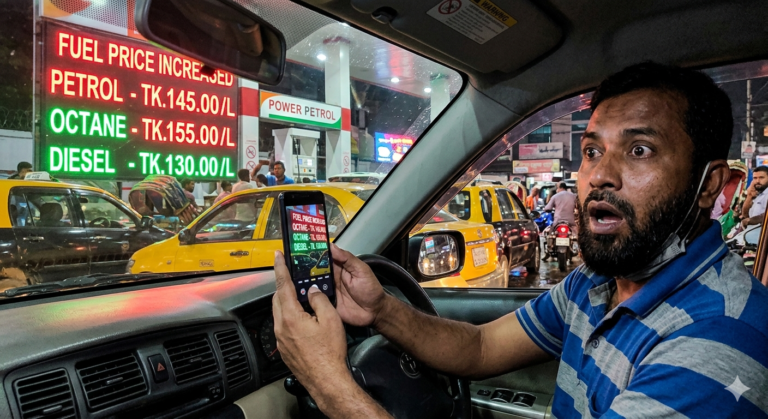
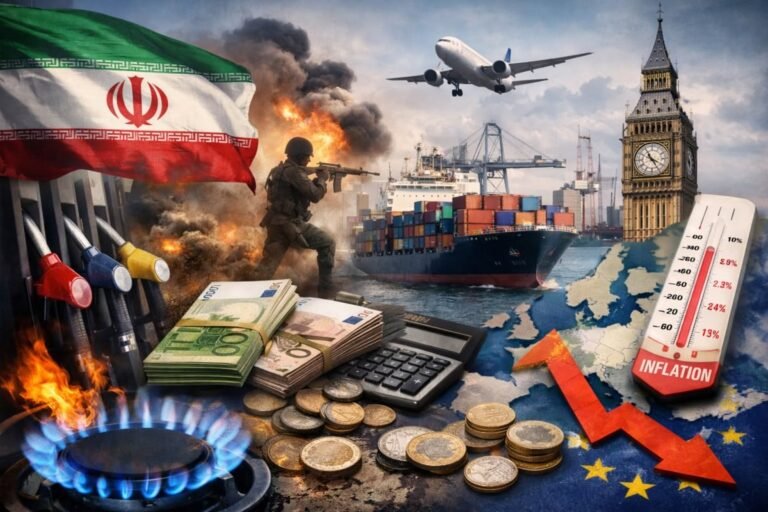
Although the political crisis was centered in Tehran, its economic impact spread internationally. Disruptions to oil transport through the Strait of Hormuz, a key global energy route, contributed to rising global fuel prices and inflationary pressure in economies far from the Middle East.
These economic effects underscore how intertwined Iran’s political stability is with global markets and financial stability.
Possible Paths Forward: Scenarios for Iran’s Future
Diplomatic Negotiations and Ceasefire Agreements
Many analysts say that diplomacy remains the most viable path toward reducing the political crisis and restoring stability. Temporary ceasefires and international mediation efforts represent initial steps toward negotiation, though by no means guarantee lasting peace.
Diplomatic dialogue might involve agreements on military de‑escalation, protection of civilian infrastructure, and frameworks for civil rights protections.
Internal Political Reform Possibilities
Some opposition groups — including broad coalitions advocating a democratic and pluralistic future for Iran — have gained attention during the crisis. These groups emphasize the need for a political system that respects fundamental rights, promotes power‑sharing, and avoids cycles of repression and conflict.
However, the path toward meaningful reform remains uncertain, and entrenched power centers within the government and military present substantial obstacles.
Risks of Prolonged Conflict and Fragmentation
If the political crisis continues without effective resolution, there is a risk of fragmentation within Iranian society and governance structures. Extended war and economic hardship might amplify divisions between regions, social groups, and political elites. This could further weaken central authority and undermine efforts to rebuild trust or institutions.
Humanitarian Concerns and Global Law
Protecting Civilians in Times of Crisis
International organizations have repeatedly emphasized the importance of protecting civilians during conflict and upholding humanitarian law. As reports emerged of mass casualty events, forced displacements, and infrastructure damage, calls for humanitarian access and civilian protection increased. These concerns form a major part of Iran News coverage and global diplomatic attention.
Human Rights Violations and Accountability
The crisis also highlighted serious questions about human rights violations, both by state actors and, in some reports, by military operations of external powers. Independent monitoring groups and international bodies have expressed concern over excessive force, arrests without due process, and suppression of basic freedoms.
Conclusion
Iran News today reflects an extraordinary convergence of domestic political upheaval, economic collapse, and international conflict. What began with widespread public frustration and protest evolved into a complex crisis that now encompasses war, repression, leadership transitions, and global diplomatic efforts.
While temporary ceasefires and negotiations offer hope, achieving lasting peace and political stability will likely require meaningful dialogue, protection of civilian rights, and structural reforms that address the deep causes of discontent.