Iran News is very important for understanding how sanctions shape Iran’s economy in today’s global system. Because economic sanctions affect trade, banking, and energy exports, they directly influence daily life inside the country. Therefore, the impact is not only political but also social and financial.
At the same time, Iran’s economy is large and resource-rich. While it faces pressure from sanctions, it also shows resilience in many sectors. As a result, the economy continues to adapt, change, and survive under difficult conditions. Moreover, global markets also feel the effects through energy prices and trade shifts.
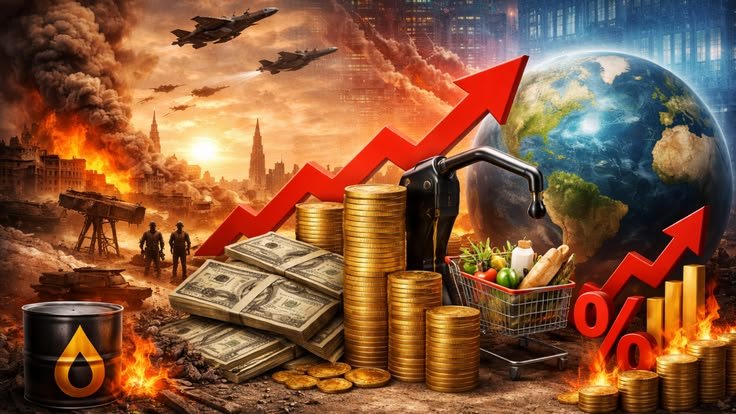
Iran News: Overview of Iran’s Economy
Natural Resources and Strength
Iran has large reserves of oil and gas. Because of this, energy exports are a major source of income. Therefore, the country has strong economic News.
Economic Structure
The economy includes oil, agriculture, manufacturing, and services. While oil plays a key role, other sectors also contribute. As a result, the structure is diverse but uneven.
Role in Global Markets
Iran’s economy is connected to the global energy supply. Because of this, changes in exports can affect international prices. Therefore, Iran News often reports on oil and trade developments.
Iran News: Understanding Sanctions on Iran
What Are Sanctions?
Sanctions are restrictions placed by countries to influence policy. Because they limit trade and finance, they create pressure. Therefore, they are used as political tools.
Types of Sanctions on Iran
Iran faces financial, trade, and energy sanctions. While some target specific sectors, others are broader. As a result, multiple areas of the economy are affected.
Goals of Sanctions
Sanctions aim to change political behavior. Because they create economic pressure, they are intended to encourage negotiation. Therefore, they play a central role in international relations.
Iran News: Impact on Oil and Energy Sector
Oil Export Restrictions
Oil exports are heavily affected. Because oil is a main income source, restrictions reduce national revenue. Therefore, the energy sector faces strong pressure.
Global Oil Market Effects
When Iranian exports change, global supply shifts. As a result, oil prices may rise or fall depending on market conditions.
Investment Challenges
Foreign investment in energy is limited. Because companies avoid sanctions risk, development slows. Therefore, growth in the sector is restricted.
Banking and Financial System Impact
Restricted Banking Access
Iran faces limits in global banking systems. Because international transfers are restricted, financial transactions become difficult. Therefore, trade becomes more complex.
Currency Pressure
Sanctions affect currency stability. As a result, inflation may increase, and purchasing power decreases. Therefore, daily life becomes more expensive.
Trade Payment Issues
International payments face delays and barriers. Because of this, businesses struggle with imports and exports. Therefore, financial efficiency is reduced.
Trade and Import-Export Challenges
Import Limitations
Sanctions restrict access to foreign goods. Because of this, industries face shortages in raw materials. Therefore, production can slow down.
Export Barriers
Export markets are limited. As a result, Iranian goods face reduced global access. Therefore, revenue from trade decreases.
Regional Trade Growth
Iran increases trade with nearby countries. Because regional partners are less affected by sanctions, trade continues. Therefore, regional economic ties grow stronger.
Industrial and Manufacturing Impact
Production Costs
Sanctions increase the costs of raw materials. Because imports become expensive, manufacturing becomes harder. Therefore, product prices rise.
Technology Access
Advanced technology is harder to obtain. As a result, industrial growth slows in some sectors. Therefore, innovation faces limitations.
Domestic Production Push
Iran focuses on local production. Because imports are limited, domestic industries expand. Therefore, self-reliance becomes a priority.
Agriculture and Food Security
Farming Sector Stability
Agriculture is less affected by sanctions. Because it depends on local resources, it remains stable. Therefore, food production continues.
Input Challenges
However, fertilizers and equipment imports can be limited. As a result, productivity may face challenges.
Food Security Focus
Iran prioritizes food security. Because of economic pressure, domestic production is encouraged. Therefore, agriculture remains important.
Inflation and Cost of Living
Rising Prices
Sanctions contribute to inflation. Because currency value changes, prices increase. Therefore, daily goods become more expensive.
Household Pressure
Families face higher costs for food and services. As a result, budgeting becomes more difficult.
Government Response
Authorities try to control prices. Because stability is important, policies focus on support. Therefore, economic management remains active.
Employment and Labor Market

Job Market Pressure
Sanctions affect business growth. Because companies face limits, job creation slows. Therefore, employment opportunities are reduced.
Informal Economy Growth
Some workers move into the informal sector. As a result, unregulated jobs increase. Therefore, labor patterns change.
Youth Employment Challenges
Young people face job shortages. Because economic growth is limited, opportunities decrease. Therefore, workforce challenges grow.
Government Economic Policies
Self-Reliance Strategy
The Latest Islamic News focuses on domestic production. Because imports are restricted, local industries are supported. Therefore, self-sufficiency becomes key.
Subsidy Programs
The government uses subsidies to support citizens. As a result, basic goods remain more affordable.
Economic Reform Efforts
Reforms aim to improve efficiency. Because sanctions create pressure, reforms become necessary. Therefore, policy adjustments continue.
Role of Regional Trade Partnerships
Neighboring Countries
Iran strengthens trade with nearby countries. Because regional trade is less restricted, it becomes important. Therefore, economic ties grow.
Alternative Payment Systems
Non-dollar trade systems are used. As a result, financial transactions continue despite restrictions. Therefore, adaptability increases.
Strategic Partnerships
Countries like China and Russia play key roles. Because they maintain economic ties, trade continues. Therefore, partnerships are essential.
Iran News: Impact on Ordinary People
Daily Life Changes
Sanctions affect everyday life. Because prices rise, consumption patterns change. Therefore, people adjust their spending.
Access to Goods
Some imported goods become limited. As a result, availability decreases in certain markets.
Social Adaptation
People adapt to economic challenges. Therefore, local solutions and community support increase.
Media Coverage and Economic Perception
Global Reporting
Iran News: Media reports highlight economic challenges. Because perspectives vary, coverage differs. Therefore, readers should compare sources.
Importance of Reliable Iran News
Accurate reporting helps understanding. As a result, trusted updates are important.
Digital Influence
Online platforms spread fast information. However, not all data is verified. Therefore, careful reading is needed.
Economic Resilience and Adaptation
Local Innovation
Sanctions encourage innovation. Because external access is limited, internal solutions grow. Therefore, local industries adapt.
Private Sector Growth
Some private businesses expand. As a result, domestic markets become more active.
Economic Flexibility
Iran adjusts policies over time. Because conditions change, flexibility is necessary. Therefore, adaptation continues.
Future Outlook of Iran’s Economy
Gradual Recovery Potential
Iran News: If sanctions ease, recovery is possible. Because trade could increase, growth may improve. Therefore, the outlook depends on policy changes.
Continued Pressure Scenario
If sanctions remain, adaptation will continue. Therefore, self-reliance strategies will stay important.
Long-Term Economic Balance
Sustainable growth requires stability. As a result, diplomacy and economic reform are key.
Key Takeaways
Strong but Pressured Economy
Iran’s economy is large but under pressure. Therefore, sanctions have wide effects.
Adaptation and Resilience
Despite challenges, adaptation continues. As a result, the economy adjusts over time.
Global Connection
Iran’s economy affects global markets. Therefore, developments are internationally important.
Conclusion
Iran News provides clear insight into how sanctions impact Iran’s economy. Because restrictions affect oil, banking, trade, and daily life, the impact is wide and long-lasting. Therefore, understanding these effects is important for global awareness.
Although challenges remain, Iran continues to adapt through local production, regional trade, and policy changes. With time, economic conditions may evolve. As a result, Iran News remains essential for tracking these economic developments.