Muslim World News combines vital stories about religion, culture, and politics that shape the lives of Muslims worldwide. Moreover, these stories help people understand how faith, tradition, and governance interact every day. Because Muslims live across all continents, this news connects communities, influences geopolitics, and highlights human experiences that matter to many.
Consequently, when readers follow Muslim World News, they learn about shared values, real challenges, and hopeful developments. Also, this guide is organised into clear sections so readers can easily follow complicated topics. Therefore, the content below focuses on religion, culture, and politics, with simple words, smooth transitions, and meaningful facts.
The Role of Religion in Muslim World News
Core Beliefs and the Global Muslim Community
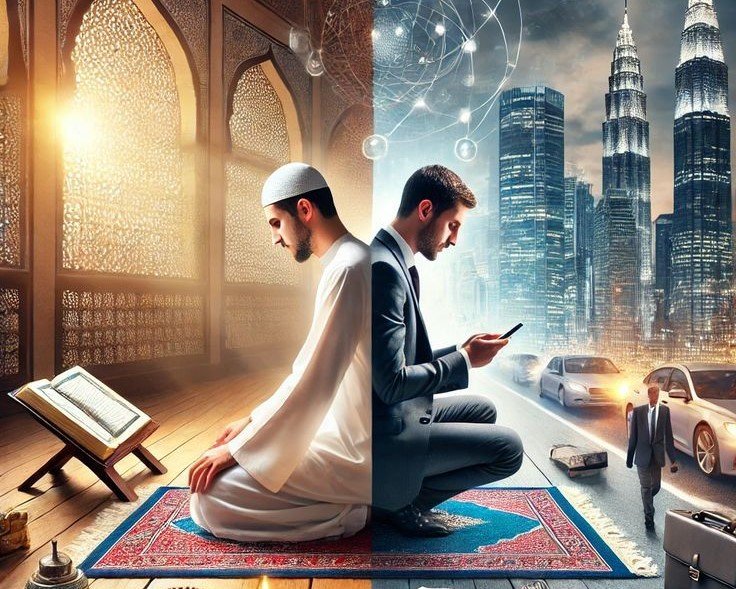
At the centre of Muslim World News is religion, especially the practice and influence of Islam. Islam is more than beliefs and rituals; it shapes community life and moral values. Therefore, religion often appears in world news when global events affect Muslim pilgrims, worshippers, or scholars.
Furthermore, the Quran and Hadith guide how Muslims view life and conduct. Allah says:
“And hold firmly to the rope of Allah all together and do not become divided.” (Qur’an 3:103)
This verse highlights unity, which often shapes how communities respond to world events.
Also, Prophet Muhammad (peace be upon him) said:
“The best of people are those that bring most benefit to the rest of mankind.” (Daraqutni)
This hadith inspires many Muslims to support peace, aid others, and work for the common good. Therefore, religion always appears in Muslim World News when issues involve humanitarian efforts and moral leadership.
Religious Events in Muslim World News
Annual Observances and Worldwide Connections
Islamic observances such as Ramadan, Eid al‑Fitr, Eid al‑Adha, Hajj, and Ashura are central to the Muslim world because they involve millions of believers.
For example, Hajj, the pilgrimage to Mecca, brings Muslims from different countries together. Because so many people travel and worship at the same time, Hajj often becomes a topic in the news. Updates may include health and safety information, pilgrim counts, or diplomatic arrangements.
Also, Ramadan and Eid celebrations appear in world reports because they influence travel, markets, and public life. Therefore, religion influences not only Muslim communities but also world calendars and global business.
Religious Unity and Interfaith Dialogue
Muslim World News frequently covers efforts to promote peace and understanding between Muslims and other faith groups. Interfaith dialogues bring leaders together to reduce misunderstanding and encourage cooperation. For instance, religious leaders often meet at conferences or peace summits to discuss common goals such as human rights, poverty reduction, and environmental stewardship.
Moreover, such cooperation helps reduce fear and bias in regions with religious tension. Therefore, when faith leaders speak together, the world notices.
Culture in Muslim World News: Tradition and Innovation
Understanding Muslim Culture Through News
Culture refers to shared customs, arts, languages, and daily living habits. Consequently, Muslim World News often highlights festivals, music, art forms, dress styles, and cultural heritage sites.
For example, in many Muslim countries, traditional arts such as calligraphy, poetry, music, and architecture receive attention in news stories. These features highlight how Muslims express identity, preserve heritage, and celebrate creativity.
Additionally, culture appears in the news when communities adapt traditions for modern life. For instance, designers might create contemporary clothing inspired by tradition, or filmmakers might make movies that discuss faith and life. Therefore, culture is not static; it grows and changes and becomes part of Muslim World News.
Cultural Festivals and Global Impact
Music and arts festivals in Muslim countries attract global audiences. For example, events featuring Sufi music, Arab poetry, or traditional dance celebrate faith and heritage while building bridges across cultures. These events offer joyful, artistic perspectives that often contrast with stories of conflict or political tension.
Also, cultural news often includes achievements by Muslim artists worldwide. This may include film awards, literature prizes, or exhibitions that showcase Muslim voices and perspectives on a global stage.
Language, Education, and Media
Language connects culture and news. Many Muslims speak Arabic, Urdu, Persian, Turkish, or other languages, and these languages shape how information spreads. As a result, language plays a role in interpreting events and cultural expressions.
Also, education appears in the Muslim World News when topics such as literacy, university achievements, or new learning programs make headlines. Education news often reflects wider social progress, especially when students and educators work to expand opportunities and build skills for the future.
Politics in the Muslim World News: Power, Policy, and Public Life
The Political Landscape in Muslim Regions
Politics often makes headlines in Muslim Life Today because political decisions affect millions of people in governance, freedom, rights, and daily life. For example, elections in major Muslim‑majority countries often attract global attention. These stories may highlight leadership changes, policy decisions, and public debates about governance.
Moreover, political news often involves diplomacy between nations. For example, when leaders meet to discuss trade, peace, or cooperation, these events appear in world reports. Therefore, politics in the Muslim world often interacts with global strategies, alliances, and conflicts.
Conflict, Peace, and Diplomacy
Unfortunately, conflict also appears frequently in the Muslim World News. Wars and disputes in regions with large Muslim populations often involve complex political histories. At the same time, many Muslim leaders and groups work for peace, diplomacy, and reconciliation, which also shape world headlines.
For example, peace talks between national leaders, United Nations representatives, and regional organisations may be main items in news reports. These talks often aim to reduce violence, protect civilians, and build better futures.
Also, diplomatic achievements such as new treaties, international agreements, and joint projects become important parts of political news in Muslim countries and beyond.
Women, Youth, and Political Participation
News stories about political inclusion often focus on women and youth in Muslim communities. In many countries, women are taking on leadership roles, running for office, initiating civic projects, or working in public service. Likewise, young people are organising civic groups, engaging in community service, and pushing for political reform.
Consequently, when new laws support education, voting rights, or economic opportunity for young people and women, these developments appear in Muslim World News and influence international perspectives.
Social Issues in the Muslim World News
Human Rights and Social Reform
Social issues such as inequality, human rights, justice, and freedom often appear in world reports about Muslim communities. Many Muslim scholars and activists speak about human dignity and justice, drawing from Islamic principles.
For example, the Qur’an emphasises fairness and equality many times:
“O you who believe, be upright for justice.” (Qur’an 4:135)
This call for justice often inspires social movements and reforms that appear in the news around the world.
In addition, Muslim human rights activists work with international organisations to protect vulnerable groups, support refugees, and defend basic freedoms. As a result, these stories become part of Muslim World News that reflect real social change.
Poverty, Development, and Community Initiatives
News about community service, charity, and development projects also belongs to Muslim World News. Because charity is a fundamental value in Islam, many organisations and volunteers work to alleviate poverty and provide basic needs like food, water, and education.
For instance, during Ramadan and other times of need, charity campaigns, food drives, and shelter programs often receive news coverage. These stories highlight how communities support one another and work toward long‑term development.
Muslim World News and Global Cooperation
International Organisations and Muslim Nations
Global institutions such as the United Nations, the Organisation of Islamic Cooperation (OIC), and other regional alliances often appear in the news when they work with Muslim nations. These bodies may discuss issues like peacekeeping, economic cooperation, climate change, and human rights.
Such meetings often aim to find common ground between Muslim countries and the world at large. Because global cooperation affects economic growth, security, and social progress, this news connects local issues to the global community.
Trade, Economy, and World Markets
Economic news often involves markets, trade deals, and economic growth in Muslim‑majority countries. For example, Gulf cooperation, technology investments, and infrastructure projects are topics that attract global media. When nations invest in renewable energy, transportation, or job creation, analysts often report these developments as part of Muslim World News.
Furthermore, international business news highlights partnerships between Muslim countries and global markets, showing how economic cooperation shapes the future.
Technology, Media, and Muslim World News

Digital Communication and Information Flow
The rise of digital technology has transformed how Muslim World News spreads. Social platforms, news websites, and digital broadcasters allow information to travel quickly and reach diverse audiences.
At the same time, this rapid flow of information raises questions about accuracy, bias, and verification. Therefore, responsible reporting and fact‑checking are more important than ever. Islam encourages honesty and wisdom in speech, as the Prophet Muhammad (peace be upon him) said:
“Whoever believes in Allah and the Last Day should speak good or remain silent.” (Sahih Muslim)
This principle applies to how people share and engage with news at all levels.
Media Representation and Diversity
Media outlets around the world cover stories related to Muslim communities, yet representation can vary. Some platforms highlight culture, achievements, and daily life, while others focus on conflict or politics.
Because of this diversity, readers benefit from exploring multiple sources and viewpoints. Doing so leads to a more complete understanding of global events and the diverse experiences within the Muslim world.
Challenges and Opportunities in Muslim World News
Balancing Narratives and Reducing Misunderstanding
One challenge in news reporting is ensuring accurate representation of Muslim communities. Misunderstanding or bias can distort public perception and contribute to prejudice. Therefore, many writers, journalists, and scholars work to share balanced narratives that reflect real voices from within Muslim societies.
Education and Awareness as Tools for Change
Education plays a central role in shaping how people engage with world news. Schools, universities, and public institutions often appear in the news when they introduce new programs, promote literacy, and expand learning opportunities.
By expanding access to knowledge, communities can participate more fully in civic life and global dialogue. As a result, education is one of the biggest opportunities to improve the quality of discourse and strengthen intercultural understanding.
Conclusion
Muslim World News includes a rich tapestry of religion, culture, and politics. Whether discussing sacred observances, cultural celebrations, political reform, economic cooperation, or social challenges, this news reflects the lives of millions.
Religion remains central to identity and values, culture connects communities and preserves heritage, and politics shapes public life and global relations. As the world continues to change, stories from Muslim societies offer insight, challenge assumptions, and inspire compassionate thinking.
Ultimately, by following Muslim World News, readers can appreciate not only headlines but the deeper human stories behind them. With thoughtful reflection and open engagement, world news becomes not only information but a connection.